Guide5 min read
AI manufacturing intelligence
Turn the data your factory already produces into clear decisions and coordinated action, with the context your teams need during the shift.
In short
- What it is
AI that connects the data your factory already produces.
- What you get
One shared picture of what is happening, why, and what to do next.
- Who stays in charge
People review every recommendation before acting.
01 / Definition
What is AI manufacturing intelligence?
AI manufacturing intelligence is the use of artificial intelligence to connect the data a factory already produces, such as orders, machine events, materials, quality records and shift coverage, so teams can see what is happening, understand why, and decide what to do next. Instead of another report, it gives production, quality, maintenance and workforce teams one shared picture they can act on during the shift.
Explore Orbis FactoryOSIn one sentenceAI manufacturing intelligence turns scattered factory data into clear decisions and coordinated action.
02 / How it works
From scattered data to a coordinated response.
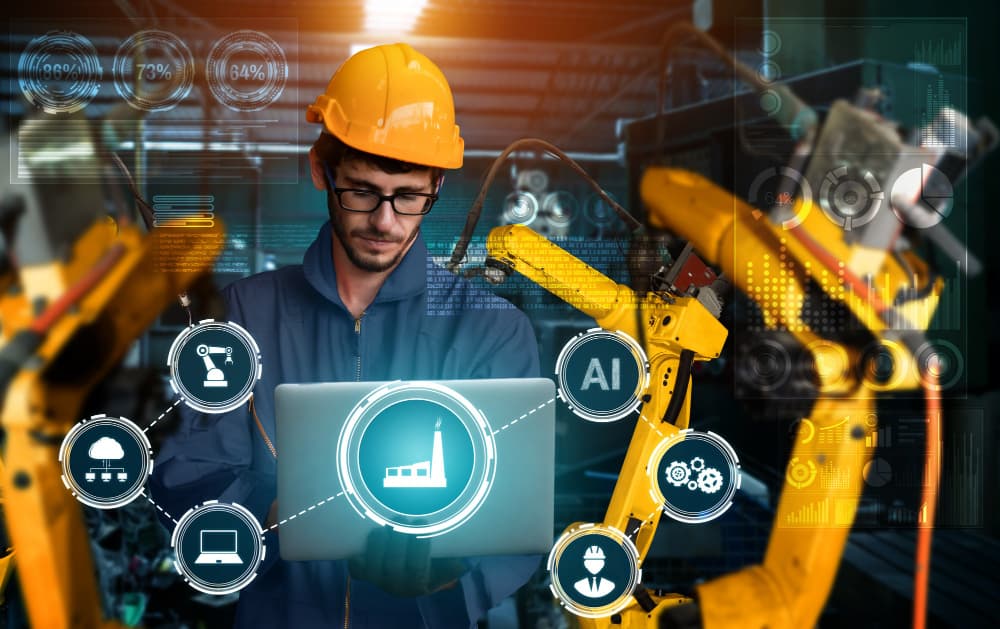
Signals it connects
- Production orders
- Machine events
- Material availability
- Quality records
- Shift coverage
03 / Why it matters
Factories have data everywhere. Intelligence is still fragmented.
Data lives in separate systems
Orders, equipment, people and quality records sit in different tools, so teams reconcile the picture by hand.
Problems surface too late
Exceptions are often found after the shift has already lost time, when only a report is left.
Knowledge stays with individuals
The context behind a good decision is rarely written down where the next team can use it.
04 / How Orbis delivers it
One connected model for the whole factory.
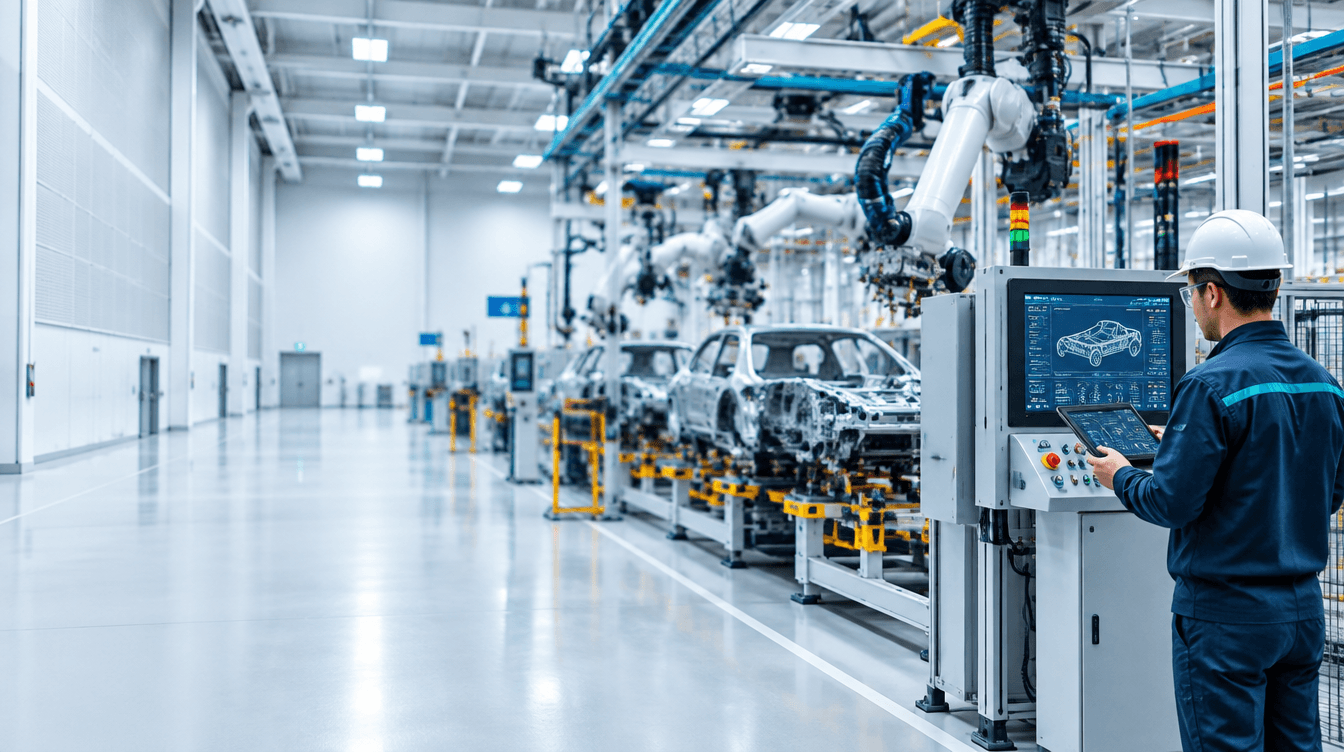
Orbis FactoryOS is the AI-native manufacturing platform from Orbis AI Technologies. It brings four things into one connected model, so every team starts from the same facts.
Explore Orbis FactoryOSOperations
Follow orders, machines and material in one operational view.
People
Match shift coverage and certified skills to production needs.
Assets
Bring equipment condition and maintenance priorities into the plan.
Knowledge
Capture context so every team can find the reasoning behind a decision.
Factory AI Copilot sits on top of that model. People ask operational questions in plain language and get answers with the sources behind them, and a person reviews every recommendation before acting.
Meet Factory AI Copilot05 / Where it helps
Start with the decision your teams struggle with most.
AI manufacturing intelligence works best when it starts with one concrete workflow. Pick a challenge to see the question to ask, the signals to connect and where to start.
Example question
Which orders will miss the dock cutoff, and what is behind each one?
Signals it connects
- Order progress
- Material readiness
- Crew coverage
06 / Go deeper
Explore the platform, the modules and your industry.
Follow the topic from the idea to the product: the FactoryOS platform, the solution modules that apply it and the industries it is built for.
07 / Questions
Common questions about AI manufacturing intelligence.
How is it different from a dashboard?
A dashboard shows numbers. AI manufacturing intelligence also connects the context behind them, such as material, people and equipment, and suggests a next step for a person to review.
Does it replace our ERP or MES?
Orbis FactoryOS is designed to work alongside the systems you already run. Share the systems involved and the workflow you want to explore; integration scope and availability are confirmed with the Orbis team.
Is the AI making decisions for us?
No. Factory AI Copilot shows its sources and keeps people in the decision loop, so your team reviews each recommendation before acting.
Where can I see how it works in practice?
Start with the Orbis FactoryOS platform page, then open any solution module or industry page to see the workflows and example questions it covers, using illustrative sample data.